Back
Back







































How Green Gridiron Scaled from $1M to $10M+ with ShipStation


When Green Gridiron launched in 2010, the focus was narrow but specialized: football facemask reconditioning. It was a niche service that met a genuine need for players seeking to prolong the life of their equipment.
But by 2017, the company saw a bigger opportunity.
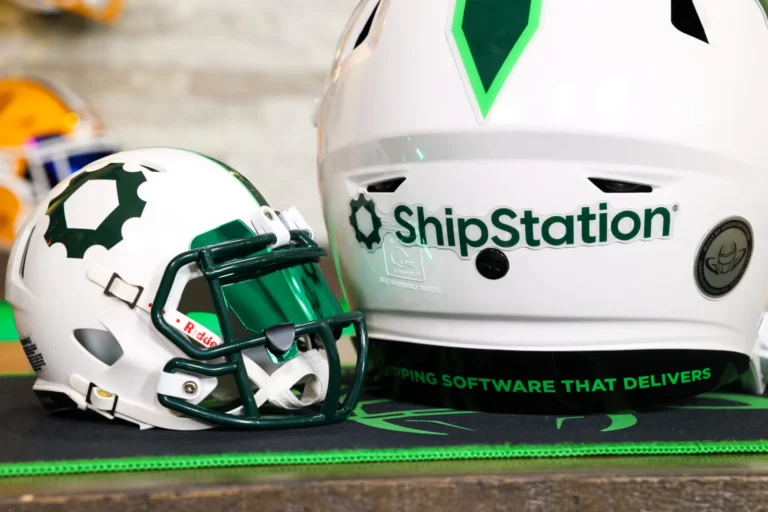
“Green Gridiron was established in 2010 doing football facemask reconditioning. We expanded into retail and ecommerce in 2017 selling field use football helmets and licensed collectible helmets,” explained Steve Adams, Vice President.
From reconditioning to retail: Building a football helmet empire
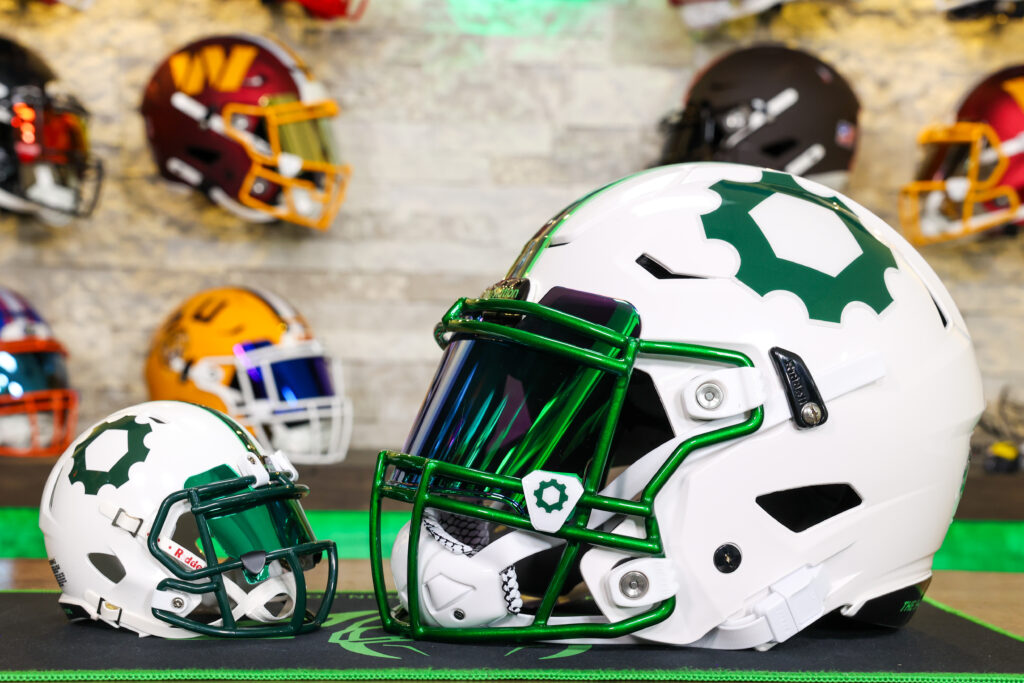
What started as a reconditioning shop evolved into something far more ambitious. Today, Green Gridiron operates as four companies in one: field-use gear and reconditioning, collectibles, custom-branded helmets, and team services. All four divisions focus on a single piece of equipment—the football helmet—but each serves distinct customer needs.
The company caters to players and collectors who want something more than ordinary. Players can customize helmets with components from top brands, selecting gear that fits their size, uniform, position, and preferences. The facemask reconditioning services allow players to save money while taking beat-up equipment to brand-new condition.
For collectors, Green Gridiron offers the ability to upgrade collectible helmets or recreate their favorite player’s exact setup. The custom-branded helmet division serves businesses, agencies, and influencers who need helmets for promotions, trade shows, and giveaways. Team Services operates as a dedicated sales team working directly with organizations at every level—from youth leagues to the pros.
This growth brought tremendous success. Over the course of a decade, Adams and his team grew the company from under $1 million to over $10 million in annual revenue. But that growth also created a shipping challenge that threatened to slow everything down.
The challenge: Basic tools that couldn’t keep pace with growth
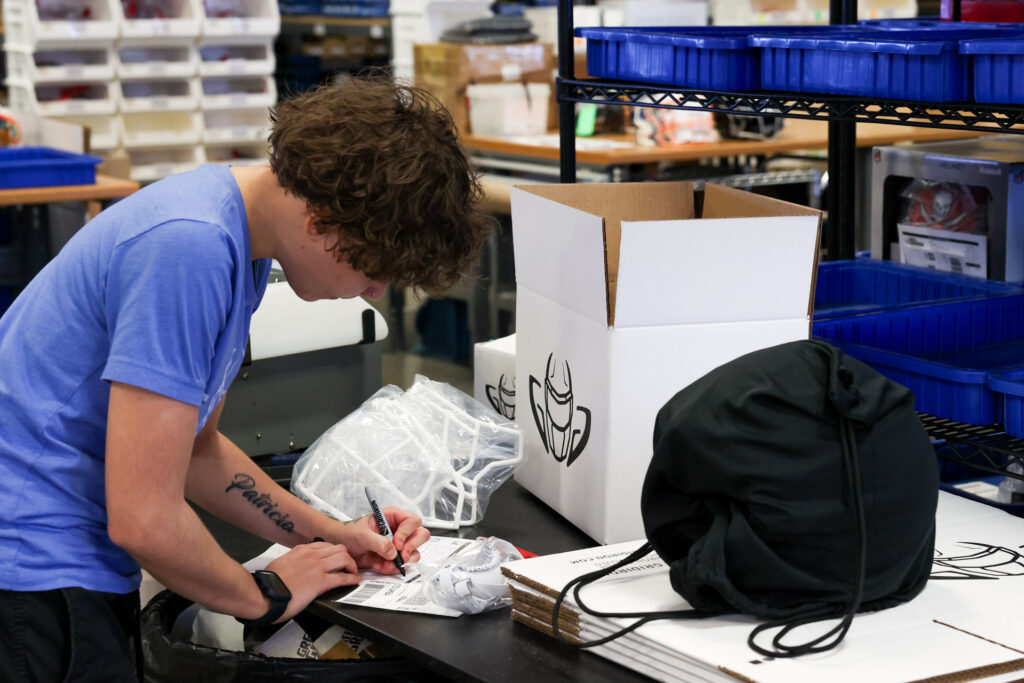
Before ShipStation, Green Gridiron shipped primarily with UPS and USPS, creating labels directly from the carrier platforms.
When the company was processing fewer than 10 orders per day, this approach was sufficient. But as the business expanded into multiple sales channels and order volume increased, the limitations became impossible to ignore.
According to Adams, the problems were fundamental: “Very basic functionality and non-intuitive websites.”
There was no way to centralize orders from different marketplaces. Each sales channel—Shopify, Amazon, eBay, and manual orders—required separate handling. Speed suffered. Efficiency dropped. The shipping process that once felt manageable now consumed disproportionate time and energy.
“Shipping directly from USPS and UPS was time-consuming and slow,” Adams explained. “That was fine when shipping less than 10 orders per day, but as volume increased, speed and ease of use were very important.”
For a growing business handling diverse product lines and serving multiple customer segments, these basic tools weren’t just inconvenient—they were actively holding the company back.
As Green Gridiron’s revenue climbed, it became clear: the shipping infrastructure needed to match the business’s ambitions.
The solution: A unified platform that moves as fast as the business
The decision to adopt a new shipping solution came down to three critical needs, according to Adams: A simple, fast, web-based user interface.
ShipStation delivered on all three.
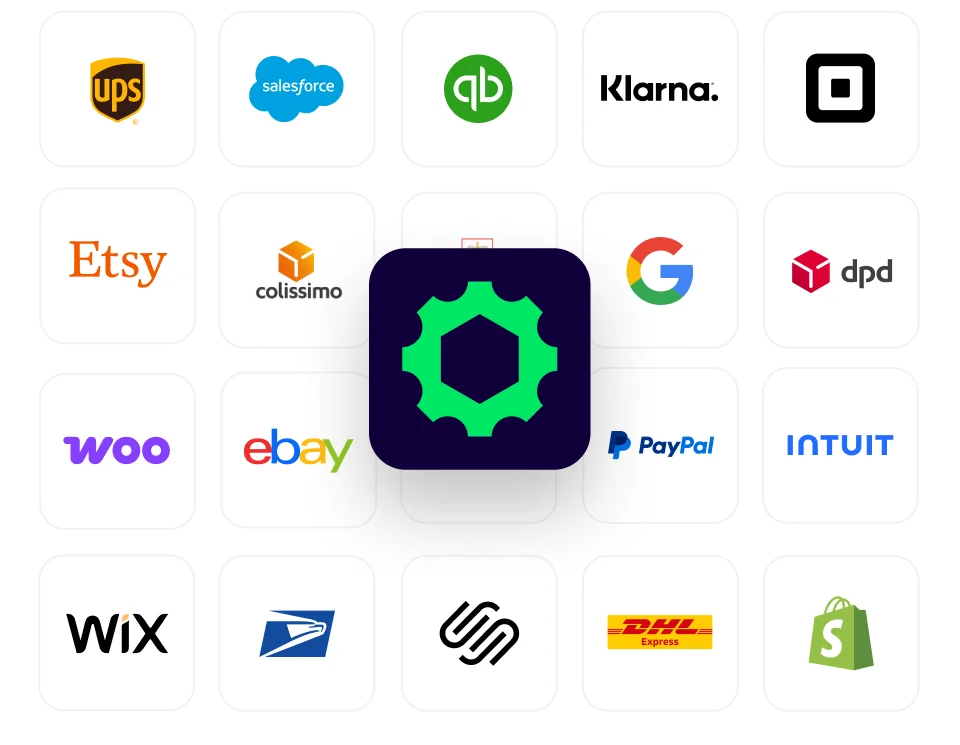
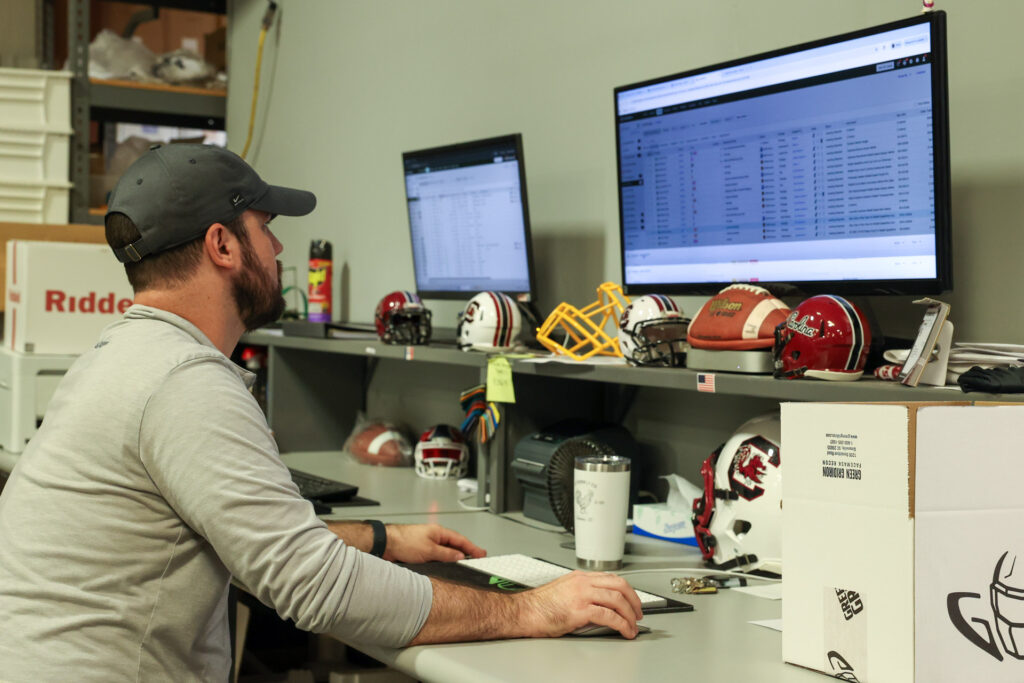
The platform provided a single source for managing orders across every sales channel. Instead of jumping between different carrier websites and marketplace interfaces, Green Gridiron could now process all orders—from Shopify, Amazon, eBay, and manual entry—in one unified workspace.
But ShipStation became more than just a shipping tool. The platform evolved into an operational hub for the entire fulfillment process.
“Having a single source, web-based platform for all sales channels that also allows us to use a hub for picking/packing and light production has been critical for our operational growth.”
Steve Adams, Vice President, Green Gridiron
Green Gridiron began with core functionality, then expanded its capabilities as the business grew and its needs evolved. The company integrated FedEx as its preferred carrier, benefiting from great rates and service through its carrier representative while maintaining the flexibility ShipStation provides in carrier selection.
What started as a solution for faster label creation became the backbone of operational efficiency across the entire organization.
Time savings that fuel continuous growth
When asked about the most significant improvement since implementing ShipStation, Adams was clear: time and labor savings were by far the biggest advantage.
The impact showed across multiple operational dimensions:
Multi-channel efficiency: All sales channels converge into a single platform, eliminating redundant data entry and minimizing errors.
Speed at scale: Processing orders that once took hours now happens in minutes, freeing up team capacity for higher-value work.
Operational reliability: During peak periods, having a system that stays up and available is essential.
Batch processing capability: Multiple users can work simultaneously, both on-site and remotely, processing high volumes efficiently without bottlenecks.
Carrier flexibility: Easy access to competitive FedEx rates through integrated carrier relationships, without the complexity of managing separate accounts.
The platform didn’t just solve the immediate shipping challenge—it created operational capacity that enabled the company to continue scaling.
“We’ve been using ShipStation for at least 10 years as we’ve grown from sub-$1 million per year in revenue to over $10 million per year.”
Steve Adams, Vice President, Green Gridiron
“We’ve been using ShipStation for at least 10 years as we’ve grown from sub-$1 million per year in revenue to over $10 million per year,” Adams shared.
That 10x revenue growth happened without proportional increases in shipping labor, thanks to the efficiency gains ShipStation enabled.
Peak season performance: Built for reliability when it matters most
For any ecommerce business, peak periods test every system. When order volume spikes, shipping infrastructure either rises to the challenge or becomes a critical failure point.
Adams emphasized that reliability during these crucial windows had been one of ShipStation’s most valuable characteristics.
“A reliable system that does not go down during peak periods is critical,” he said.
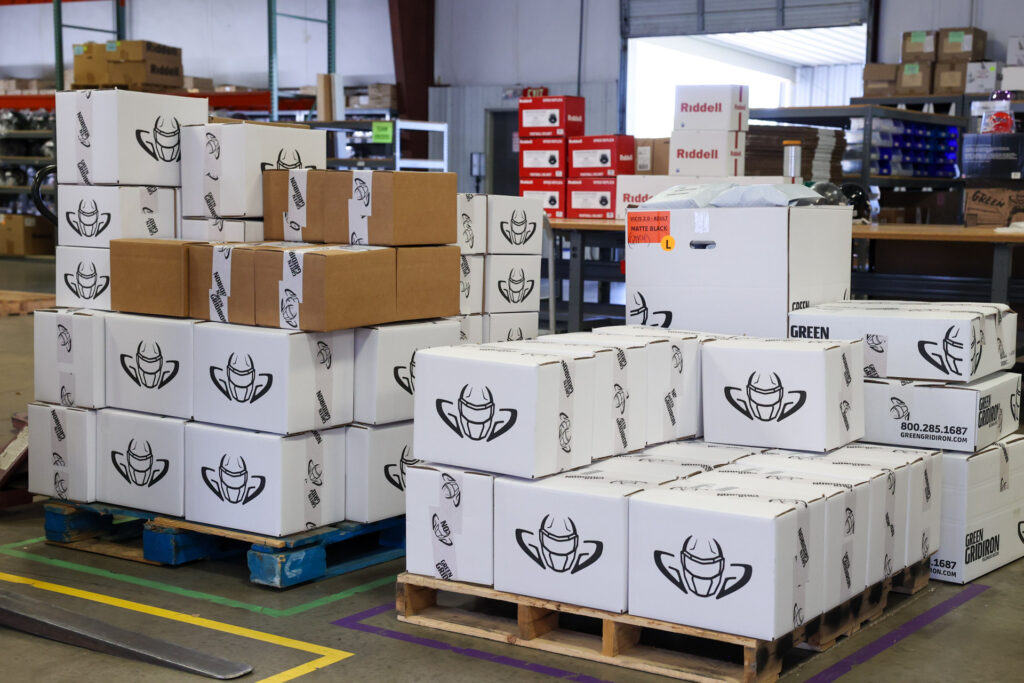
The combination of batch processing, multi-user capabilities, and consistent uptime meant Green Gridiron could handle volume surges without operational stress. The team could focus on fulfilling orders and serving customers, not fighting with unreliable software.
Beyond basic shipping: A complete operational platform
After more than 10 years with ShipStation, Green Gridiron has seen the platform evolve from a shipping solution into a comprehensive operational tool.
The web-based interface means the team can work from anywhere. Multiple users can process orders simultaneously. The platform integrates seamlessly with every sales channel the business uses. And the simple, intuitive interface means new team members can get up to speed quickly.
For a business that had transformed from a single-focus reconditioning shop into a multi-division football helmet empire, having a shipping infrastructure that scales has been invaluable.
Advice for other growing businesses
For companies considering ShipStation, Green Gridiron’s decade-long experience offers a clear perspective: if you’re processing significant order volume across multiple channels, reliable shipping infrastructure becomes a competitive advantage.
The time savings alone justify the investment. But the real value emerges in the operational capacity created—the ability to handle growth without proportional increases in manual work, the reliability during peak periods, and the flexibility to adapt as business needs evolve.
Ten years and millions of dollars in revenue later, the decision to implement ShipStation remained one of the foundational elements that enabled Green Gridiron’s transformation from a small reconditioning operation to a multi-division ecommerce success story serving everyone from youth football players to professional teams.
Ready to scale your shipping operations? Join Green Gridiron and thousands of other growing businesses who’ve eliminated shipping bottlenecks with ShipStation. Start your free 30-day trial today—no credit card required.