Back
Back








































 Shipping & Fulfillment


Apparel ecommerce has a returns problem. But calling it a “returns problem” doesn’t quite capture what’s really happening.
Returns remain one of the fastest-growing cost centers in ecommerce logistics (Radial State of Returns Report 2025). But returns are not just a line item on a balance sheet. They are a system-wide drain on margins, shipping operations, inventory flow, and customer trust.
And in apparel, the impact is amplified.
Fit is subjective. A “medium” in one brand is not the same as a “medium” in another. Even within the same brand, different cuts behave differently.
Customers compensate by ordering multiple sizes with the intent to return what doesn’t work. This behavior—often called “bracketing”—has quietly become normalized.
Then there’s seasonality. An item returned two weeks late can miss its peak demand window entirely. A winter jacket returned in March is no longer full-price inventory—it’s a liability.
Fashion also moves fast. Trends shift. Collections rotate. A returned item may still be technically sellable, but its perceived value has already declined. That means returns in apparel don’t just delay revenue—they actively erode it.
All of it converges into one reality: returns are not an exception in apparel ecommerce—they are part of the business model. In fact, 19% of online purchases are returned, and apparel is one of the highest-return categories (NRF 2025 Retail Returns Landscape).
The issue is that most apparel retailers still treat returns as an afterthought. In reality, when an apparel item is returned, the loss doesn’t stop at the refund. It triggers a chain reaction and ripples across many areas of your business.
There’s the obvious cost—lost revenue. But then come the layers beneath it. Adjusting shipping and fulfillment strategies to minimize returns and maintain customer loyalty requires recognizing the costs of returns that aren’t always obvious.
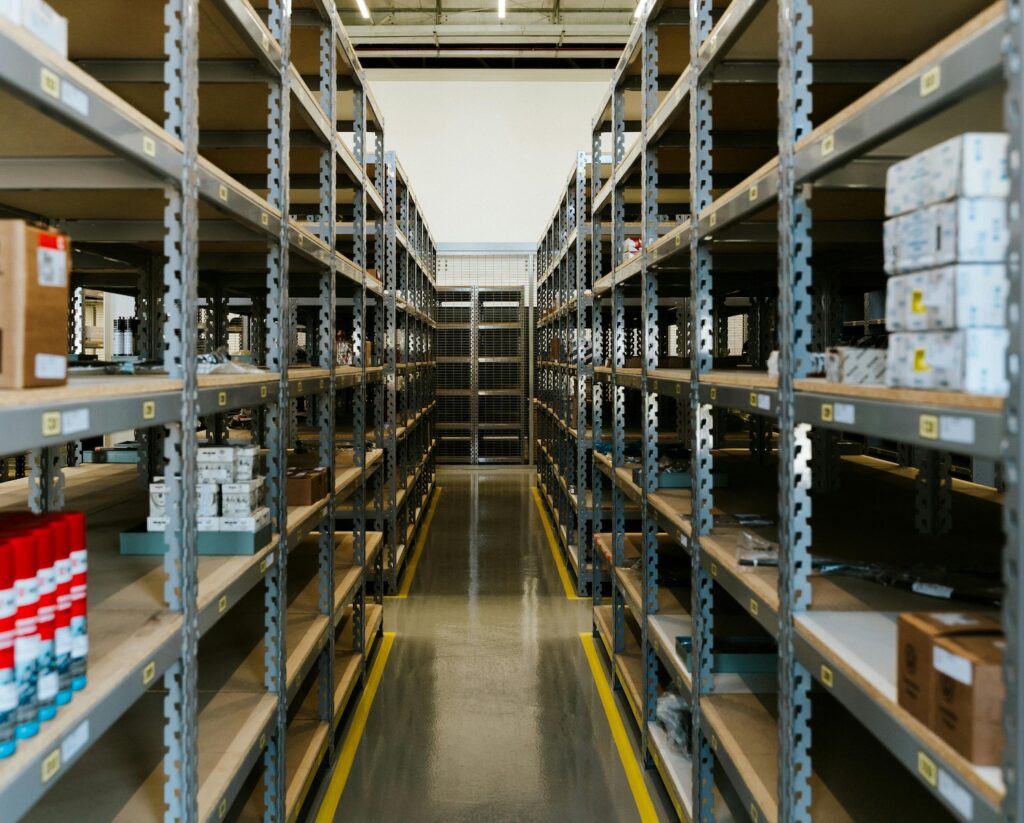
One of the least visible—but most damaging—effects of returns is inventory distortion.
While an item is in transit back to your warehouse, it effectively disappears from your inventory. You wait to turn the item back into sellable inventory. Meanwhile, its value can drop. Fast-moving items may miss peak season or seasonal demand, forcing you to discount or liquidate the stock entirely.
Multiply that across thousands of returns, and you start to see the issue.
There’s also an opportunity cost. The time, space, and staff dedicated to processing returns could be used to fulfill new orders. In some cases, the cost of processing a return can exceed the value of the product itself.
Inventory planning becomes less accurate. Stockouts increase. Overstocking becomes more likely as teams compensate for uncertainty. This is where returns quietly undermine growth.
Businesses lose billions of dollars annually due to poor inventory management, including overstocking and stockouts. Returns add another layer of unpredictability to that equation.
And in apparel, where SKU complexity is already high—sizes, colors, variations—the impact compounds quickly.

One of the more subtle shifts in apparel ecommerce is how customers think about purchasing.
For many shoppers, the online cart has become a fitting room. They order multiple sizes, styles, and variations of the same item—fully intending to return most of it.
This isn’t abuse. It’s an adaptation. Customers are compensating for the lack of physical interaction. They are solving for uncertainty in the only way available to them.
But for retailers, this behavior fundamentally changes the economics of ecommerce.
What looks like one order is often three or four potential returns. What looks like strong conversion rates may mask high return rates and low realized revenue. This creates a false sense of growth. Revenue looks healthy at the top line. But profitability deteriorates underneath.
Understanding this dynamic is critical because it shifts the focus from acquisition to optimization. It’s not just about getting customers to buy. It’s about getting them to buy the right thing the first time.
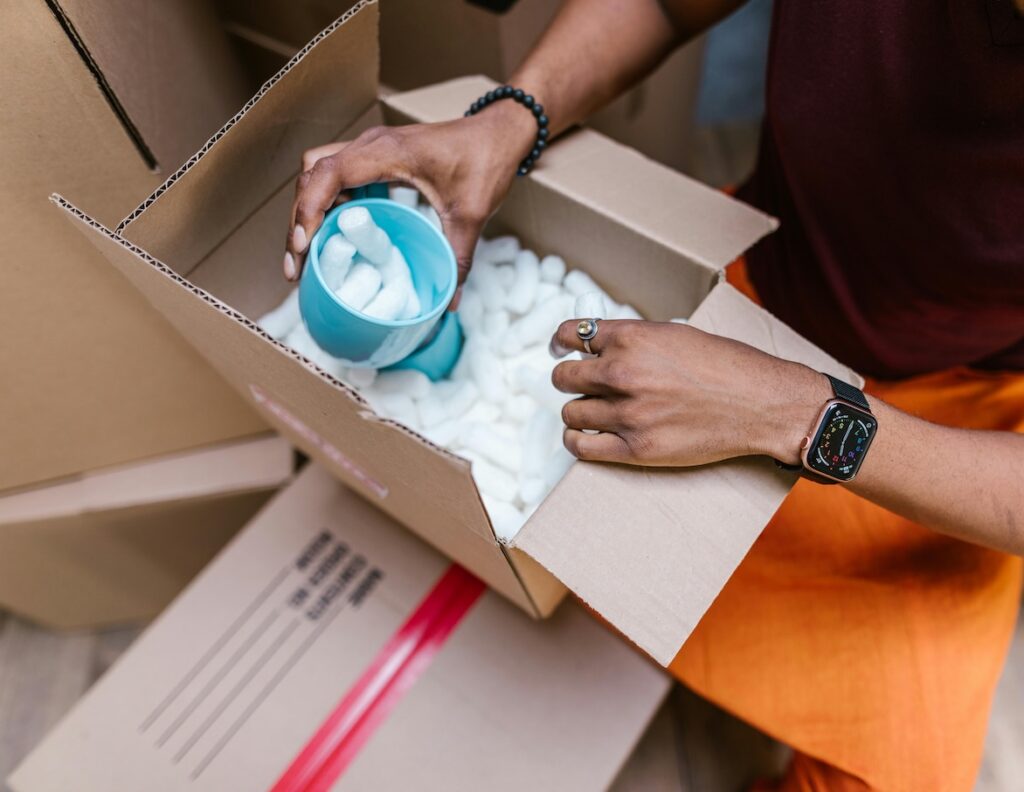
It’s easy to focus on the operational cost of returns. But there’s another dimension that matters just as much: customer perception.
Returns are among the few moments when something has already gone wrong. The shirt isn’t soft enough. The coat’s color doesn’t look the same in person. The jacket zipper is stuck. The boots are too tight. The dress just doesn’t fit right. The pants seem longer than described. The straps are broken.
For whatever reason, the item didn’t meet expectations. The experience fell short.
What happens next determines whether the customer leaves or comes back.
Research shows that 71% of shoppers are less likely to purchase again after a poor returns experience, and 80% will share that experience with others (NRF 2025 Retail Returns Landscape).
In other words, returns are not just a cost center. They are a reputation risk. And in apparel—where brand loyalty is often emotional, not just transactional—that risk is even higher.
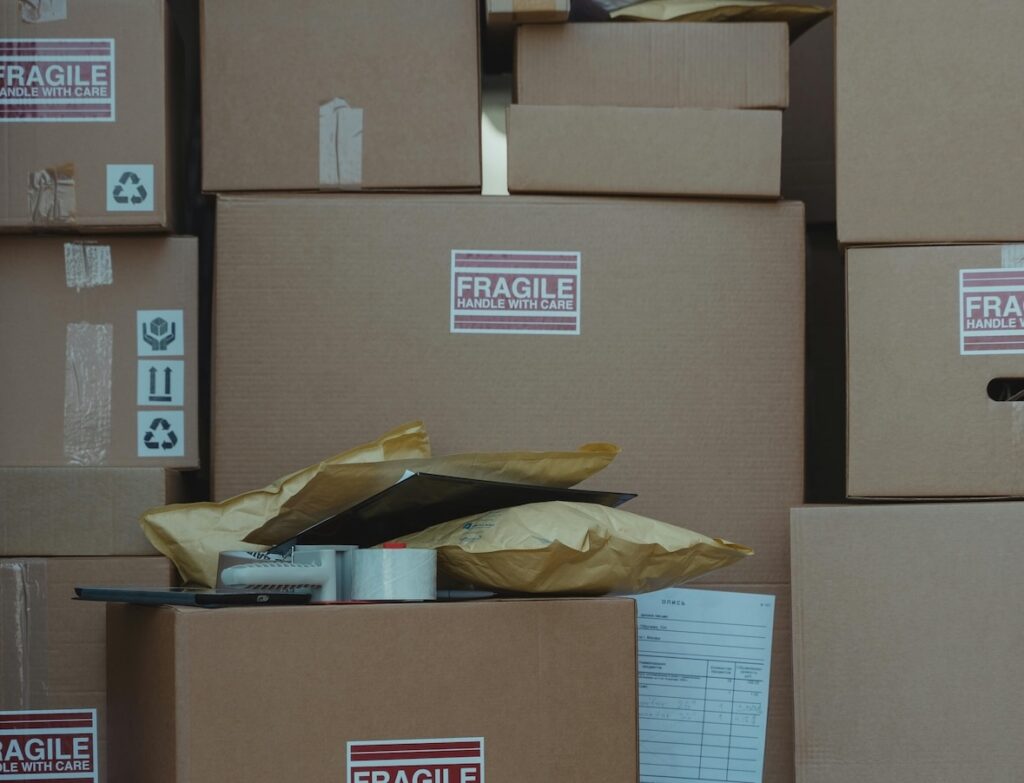
Returns don’t just affect margins and customers. They hinder operations.
Every return launches a reverse supply chain process that introduces variability into workflows designed for speed and consistency. Items need to be received, inspected, sorted, and routed before going back to inventory. Others require cleaning, repackaging, repairing, or disposal.
Reverse logistics remains significantly more expensive than forward logistics (USPS Research Insights Report: Sending It Back).
This creates stress across the fulfillment system. Teams that are optimized for outbound efficiency are forced to manage inbound complexity. Labor and material costs rise. Processes slow down. Errors increase.
And because returns are unpredictable, they are hard to plan for.
This is where many apparel retailers feel the pressure most—not in the refund itself, but in the operational drag that follows.

Most customers return items for legitimate reasons. But a growing portion of returns falls into a different category altogether: intentional abuse.
As return policies have become more generous, a new challenge has emerged: returns abuse.
In apparel, this often takes specific forms:
Individually, these cases may seem like edge scenarios, but they are more common than many retailers realize and more costly than most fully account for.
These behaviors are also difficult to detect at scale—and even harder to prevent without impacting legitimate customers. But they matter because they further distort inventory, increase processing costs, and erode already thin margins.
Shockingly, 62% of consumers admit to engaging in at least one return behavior that is costly to retailers or abuses their return policies. That includes bracketing, wardrobing, or more serious forms of return fraud. That category of fraud includes sending empty boxes, swapped items, or overstating quantities (NRF 2025 Retail Returns Landscape).
Apparel is especially vulnerable to returns abuse for a few reasons:
Perhaps most importantly, abuse distorts data. When abusive returns are mixed with legitimate ones, it becomes harder to identify real product issues. A high return rate might signal a sizing issue or reflect a small group of high-frequency returners. Without visibility, teams can end up solving the wrong problem.
That’s where the real cost lies—not just in the abuse itself, but in the confusion and wrong decisions it creates.
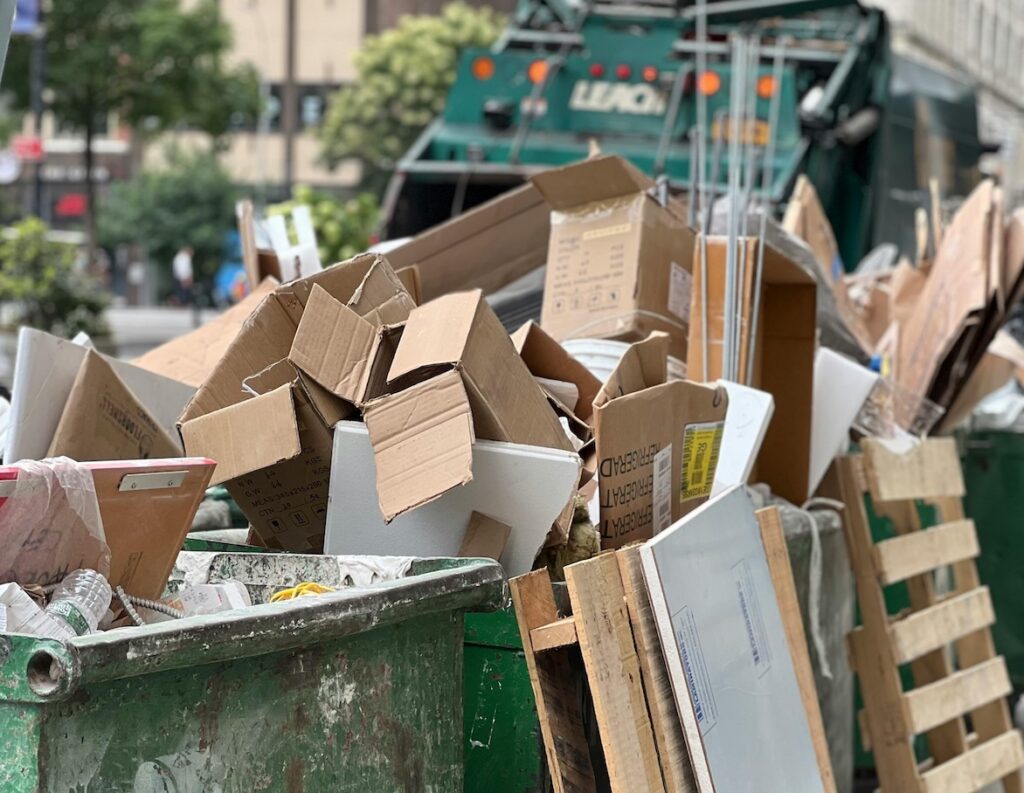
Every return creates additional shipping miles. Additional packaging. Additional handling. In some cases, additional waste.
Returned items are not always resold. Some are discarded due to damage, hygiene concerns, or processing costs. Others are liquidated at a fraction of their value or routed into secondary markets.
For apparel brands—many of which are already under scrutiny for sustainability practices—this creates a tension.
Customers expect free and easy returns. But those same customers increasingly expect brands to operate responsibly. The two are often at odds.
This is where the returns strategy becomes reputational.
Reducing returns is not just about cost savings. It’s about reducing waste. It’s about aligning the business model with evolving consumer expectations around sustainability. And importantly, it’s about doing so without placing the burden back on the customer.
Returns are not going away—especially in apparel. As the return process grows more complex, technology becomes essential.
Platforms like ShipStation bring returns into the broader fulfillment ecosystem by connecting returns data with order management, inventory, and shipping workflows in a single Returns Management System.
That integration matters. Because returns don’t exist in isolation. They are part of the same system that drives the rest of the business.