Back
Back








































 Shipping & Fulfillment


International freight shipping isn’t just a bigger version of parcel shipping. It’s a different logistics model with its own cost structure, planning needs, and risk profile. Businesses that keep using parcel shipping past its limits often see rising unit costs, unstable deliveries, and shrinking margins.
For business leaders, freight shipping marks a turning point. When done right, it unlocks global growth, controls costs, and strengthens the supply chain. When done as a reaction to problems, it creates more headaches.
Parcel shipping works best for speed and simplicity. It moves single orders quickly with little planning. Freight shipping works best for efficiency at scale. It moves bulk inventory across long distances—often at four to six times lower cost per kilogram than air.
Problems start when businesses use parcel shipping to solve freight-sized challenges. As volumes grow and you restock from overseas more often, parcel shipping becomes a bottleneck. Costs climb faster than revenue. Rush shipping becomes the norm. Inventory always seems to be in the wrong place.
Freight becomes the right choice not because your company is “large,” but because your needs have changed. When moving inventory matters more than shipping single orders, freight stops being optional.
Parcel carriers build their service around delivery promises for each package. Freight carriers build theirs around keeping supply flowing. That shapes everything: pricing, transit times, and how you need to plan.
Parcel carriers focus on speed, tracking, and getting packages to doorsteps. Freight carriers focus on moving large volumes, running reliable routes, and grouping shipments together.
Don’t think of this as freight versus parcel. Mature businesses use both. Parcel shipping handles customer orders. Freight shipping positions your inventory. Each plays its own role in your supply chain.
International freight moves through a few core modes. Each balances cost, speed, and planning in different ways.
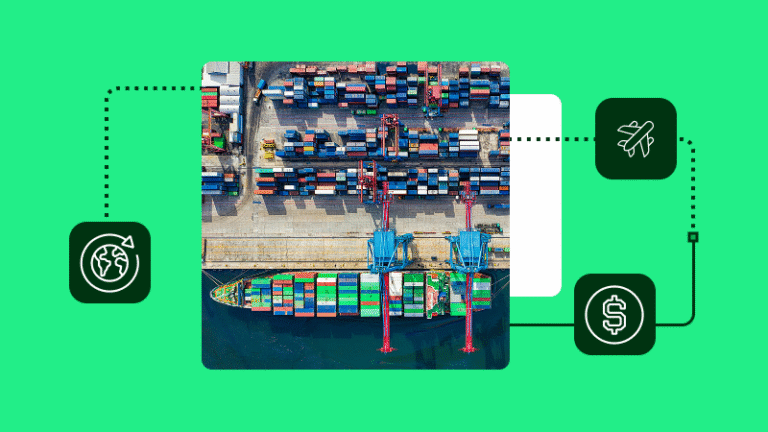
Sea freight is the backbone of global trade—roughly 90% of goods move this way. It offers the lowest cost per unit and the most capacity. This makes it ideal for large, planned inventory moves. The tradeoff? Time.
Ocean freight rates depend on your route, container size, and timing. Ocean transit typically takes 20-40 days, so you need solid demand forecasting and buffer stock. Your inventory spends more time in transit, which raises the stakes on planning.
International air freight sits at the other end of the scale. It’s fast and flexible—but expensive. Air freight rarely makes sense as your default, but it plays a key role during supply problems, demand spikes, or product launches when speed beats cost.
Think of air freight as a safety valve, not a standard way to operate. Get an air freight quote before you need one, so you know your options when problems hit.
Intermodal and rail occupy the middle ground. They cost less than air and move faster than ocean on certain routes. These modes work best for businesses with steady, repeat shipping lanes. Rail remains the most common mode of freight transportation for domestic legs of international shipments.
When you ship via ocean freight, you must decide: book a full container or share space with other shippers? This choice affects both cost and risk.
Less Than Container Load (LCL) shipping lowers the entry barrier. You can ship smaller volumes without filling a whole container. This gives you flexibility during early growth. But LCL adds handling steps, consolidation delays, and higher per-unit costs. It works best as a stepping stone, not a long-term plan.
Full Container Load (FCL) shipping requires volume. A single 40-foot container can hold 10,000 beer bottles. In return, you get lower per-unit cost, fewer handling points, and more reliable transit. For businesses with steady demand, FCL often changes the math. Freight starts to improve your margins instead of just replacing parcel costs.
One common mistake: thinking the quoted rate is your true cost. Freight costs add up across the whole journey.
Palletized shipping helps protect goods and speed up loading. But the total expense includes port handling fees, customs brokerage, duties and taxes, inland transport, and demurrage charges if containers sit too long. Without seeing the full picture, you might blame the wrong factors when costs rise.
Freight becomes easier to manage when you shift focus from shipping cost to landed cost. This view helps you make smarter tradeoffs between speed, inventory levels, and total expense.
Freight shipping adds planning demands that parcel-first businesses often aren’t ready for. You need accurate forecasts, supplier coordination, and solid documentation.
Businesses that jump into freight without adjusting their processes often decide “freight doesn’t work for us.” Usually, the problem isn’t freight itself. It’s a mismatch between how the company operates and what freight requires.
International freight companies and freight forwarders can help bridge this gap. Treat freight as a company-wide initiative, not a logistics experiment. Finance, operations, and supply chain planning must all get aligned for freight to pay off.
Well-executed freight shipping can reset your unit economics for good. When you combine parcel restocking runs into planned freight moves, you cut per-unit shipping cost. You lock in capacity. You stop relying on rush services.
These gains often appear slowly, making them easy to miss. But once they take hold, they stick. Freight doesn’t offer one-time savings. It changes your cost curve.
Freight brings visible risks: delays, port congestion, and changing regulations. But it also cuts hidden risks like cost swings, over-reliance on one carrier, and capacity shortages.
Companies that spread their freight across modes and partners often find their supply chains get stronger, not weaker. The key? Accept that freight risk needs active management. You can’t avoid it entirely.
Watch for signs that freight is being used as a quick fix instead of a strategic tool. Red flags include: using air freight over and over to recover from bad planning, no clear owner for freight decisions, and little knowledge of true landed cost. Each suggests freight came in as a patch, not a plan.
International freight shipping isn’t an advanced trick. It’s a natural stage of growth for businesses that sell globally. The question isn’t whether freight will become part of your operation. It’s whether you’ll adopt it on purpose or under pressure.
Leaders who invest in freight readiness early gain control over cost, capacity, and global expansion. Those who wait often adopt freight at the worst time, with little leverage and higher risk. When you approach it with strategy, freight isn’t a burden. It’s the foundation for lasting international scale.
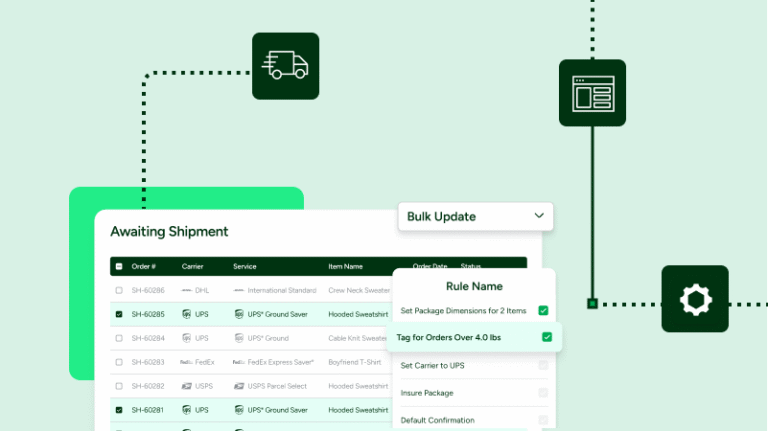
Need help managing the parcel side while you scale into freight? ShipStation makes it easy to compare carriers, automate workflows, and keep customers in the loop. Try it free.