Back
Back





































 Shipping & Fulfillment


Can your brand meet the demands of the next generation of retail customers?
Gen Z and millennial shoppers expect more than ever before. They demand effortless, fast, and highly tailored shopping experiences. According to the 2025 ShipStation Ecommerce Delivery Benchmark Report, 64% of Gen Z shoppers plan to shop more often on marketplaces, and 74% of Gen Z plan to shop on social media, emphasizing the need for businesses to rethink their approach from all angles.
To win over these savvy shoppers, you’ll need to deliver within two days (or less), offer frictionless omnichannel experiences, and leverage the power of AI-driven personalization.
In this blog, we’ll dive into actionable strategies to harness AI, streamline your fulfillment process, and create a unified shopping experience that keeps customers coming back for more.
Shopping isn’t just about products anymore. Gen Z and millennial shoppers expect experiences that are fast, easy, and personalized at every touchpoint. To appease next-gen shoppers, ecommerce brands must focus on 4 key areas:
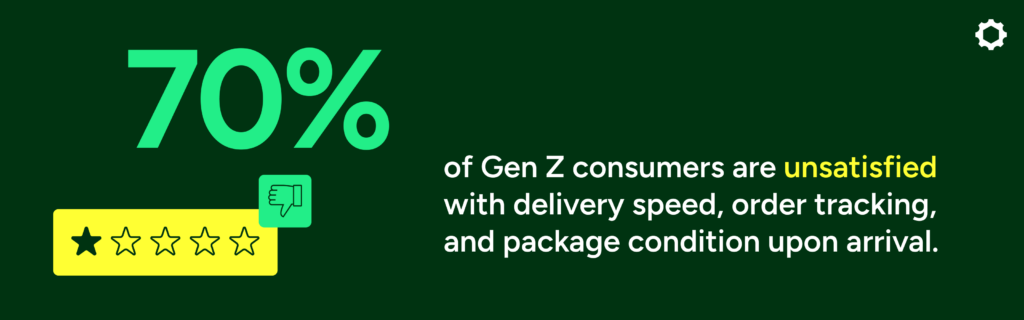
Today’s consumers won’t wait, because they don’t have to. Fast delivery and frictionless transactions define customer loyalty, but 70% of Gen Z consumers are unsatisfied with delivery speed, order tracking, and package condition upon arrival. Online marketplaces have set the gold standard for speed, with next-day or even same-day delivery now the norm. If your brand can’t keep up with these expectations, you’ll risk losing customers to competitors who can.
However, speed is about more than just delivery. It’s also about instant access to products. Consumers expect clear, upfront communication about stock levels, accurate delivery estimates, and easy checkout experiences. Any annoyance during the purchase process, from multi-step payment options to unclear time frames, can drive potential buyers away.
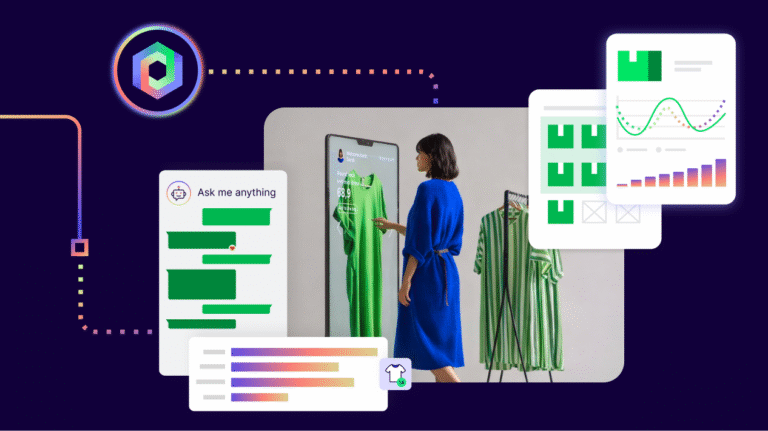
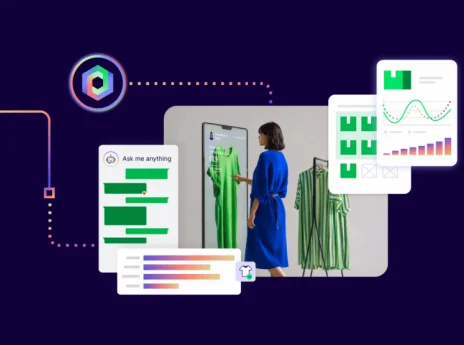
With AI’s help, product recommendations, dynamic pricing, and targeted marketing create a more relevant shopping experience for each consumer. Personalized content keeps shoppers engaged and encourages repeat purchases. Retailers implementing AI-powered solutions to tailor their offerings see significantly higher engagement and conversion rates. The data backs this up—businesses that fully actualize AI usage across logistics, supply chains, and marketing grow three times faster than their competitors.
The modern consumer expects brands to anticipate their needs before they even articulate them. AI-fueled recommendation engines are no longer a novelty but an expectation. Shoppers assume retailers will remember their past purchases, suggest germane products, and customize promotions based on their interests and behaviors.
Some strategies to enhance personalization could include:
Next-gen consumers require flexibility in how they browse, buy, and return items. 74% of consumers under 35 expect seamless omnichannel shopping. This includes:
More than ever, consumers are embracing a hybrid approach—discovering products on social media, checking them out in-store, and making the final purchase online or via mobile app.
Eco-friendly shipping and sustainable packaging have ascended from “nice-to-have” to “must-have.” More and more, consumers prioritize shopping with brands that take sustainability seriously. If your brand presents green delivery solutions and communicates its commitment to ethical practices, it will gain favor among conscious shoppers.
Brands that embrace circular economy principles, such as resale programs, rental models, or reduced packaging waste stand to win over a younger demographic that views sustainability as a deal-breaker in their purchasing decisions.
Consumers who once considered fast shipping a perk now see it as standard. The ShipStation Report found that 57% of consumers expect their orders to arrive within two days.
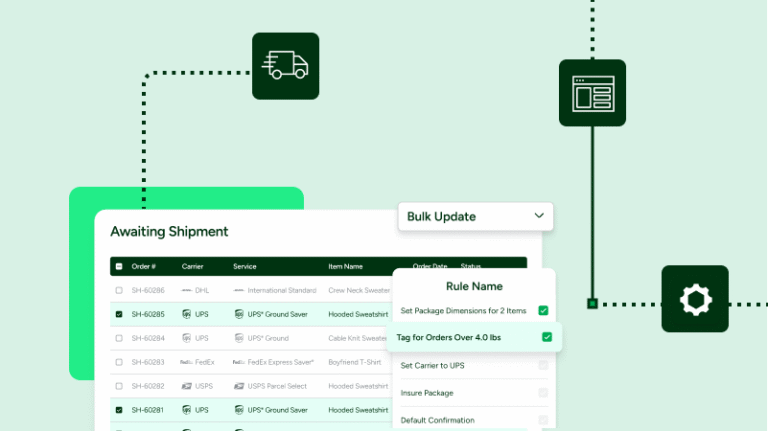
Some fulfillment improvement strategies to implement could include:
Retailers that fail to prioritize speed risk losing customers who are willing to switch brands for better fulfillment options. To keep up with demand, brands should explore decentralized distribution networks. Strategically placing your inventory closer to your consumers can shorten delivery times and lower logistics costs.
Consumers expect fluid movement between channels. Whether buying online and picking up in-store or returning an item across multiple platforms, shoppers demand an effortless experience. Your company must integrate technology and logistics into its operations to meet these expectations.
Here are some key omnichannel strategies to consider:
The 2025 Ecommerce Delivery Benchmark report highlights how transforming physical stores into micro-fulfillment hubs creates a bridge between online and offline shopping. This approach enhances efficiency, reduces shipping times, and improves customer satisfaction.
To remain competitive in 2025, your brand must focus on the three core pillars of modern ecommerce success: relevance, speed, and seamless delivery. Meeting the demands of next-gen shoppers means investing in AI-driven personalization, speedy fulfillment networks, and omnichannel flexibility.
Want your company to stay ahead? Download the full Ecommerce Delivery Benchmark 2025 Report to unlock key insights and actionable steps for the year ahead.