Back
Back




































 Shipping & Fulfillment



Product returns are unavoidable in ecommerce. But how you handle them is what separates a one-time buyer from a lifelong customer. Today, a convenient return policy isn’t a perk; it’s the price of entry. Consider this: nearly 70% of shoppers will jump to a competitor that offers easier returns—a sharp 25% increase from last year.
A hassle-free process is no longer optional. But what if you could transform returns from a business expense into a trust-building opportunity that flips unhappy customers into lifelong brand loyalists?
By shifting your strategy, you can reduce costs, strengthen customer relationships, and drive repeat business.
The big question is, which approach is right for you: prioritizing refunds or encouraging returns?
Let’s cover the advantages and disadvantages of each strategy and explore how to turn the challenge into an opportunity for your business.
Let’s cover the advantages and disadvantages of each strategy and explore how to turn the challenge into an opportunity for your business.
When a customer returns a product, you’re not just losing a sale—you’re also losing the opportunity to retain that customer. Plus, the impact ripples across other areas of your business, creating hidden costs and hindering operations:
“Merchants need to have a clear return policy from day one that sets that expectation and then can quickly evolve as they need.”
Aurélien Leftick, Senior Director of Strategic Partnerships at WooCommerce
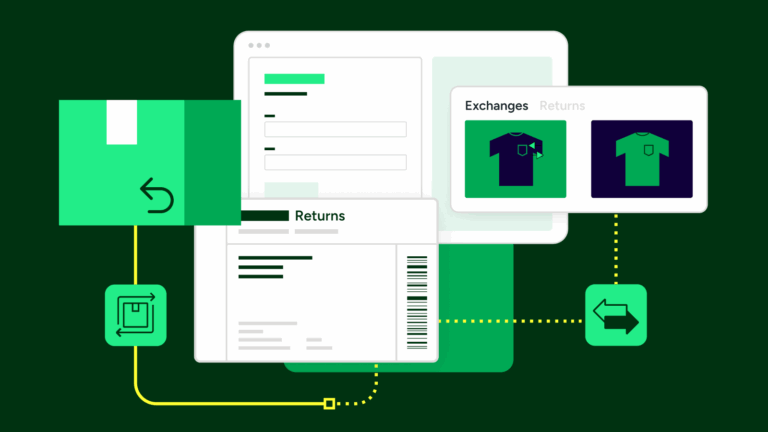
Faced with these problems and higher return rates in general, many brands are now championing exchanges over refunds. Emphasizing exchanges doesn’t just save a sale; it builds a stronger business:
Pro-Tip: Promoting product exchanges doesn’t have to mean a direct swap. You can offer store credit or other options and make the exchange appealing. You can offer a higher value than a standard refund or highlight that credit is issued instantly, while a refund can take days to process.
Before you go all-in on adopting an exchange-first model, it’s crucial to consider the potential downsides:
If you choose to guide customers towards exchanges, the key is to create a positive perception of value. One way to accomplish this is by making the store credit amount greater than the refund amount. Even if it costs you a little more, incentivizing exchanges and store credit can balance customer satisfaction with your business retention goals.
For example, many businesses will not refund customers’ shipping costs and may charge them a restocking fee. Customers can waive these fees by opting for one of the company’s preferred return methods, including store credit and direct exchanges, thereby saving the full value of their purchase.
Another popular tactic is offering a “credit bonus.” If a customer chooses store credit, give them an extra 5-10% on top of their refund value. This lets them exchange their item for something even better and leaves them feeling like they got a great deal. It’s a small upfront cost that pays dividends in customer loyalty.
Whether you choose to prioritize refunds or exchanges, platforms like ShipStation’s Returns Management Solution can eliminate the operational strain.
“Managing returns is complex for merchants, but look at the expectations of shoppers and the solutions that were available five years ago, and they’re very different today,” said Aurélien Leftick, Senior Director of Strategic Partnerships at WooCommerce. “Technology has evolved and there are now much better solutions for it.”
These tools are no longer just for enterprise-level businesses. They are easy to manage, don’t require technical expertise, let you customize your return experience, and create a branded returns portal and automate workflows.
“The good news is that these solutions are now democratized and available to merchants of any size,” says Leftick. “They help you save the sale, deliver a better experience, and protect your bottom line.”
Ultimately, you’re offering hassle-free returns and exchanges that delight customers, alleviate operational burden, and protect your bottom line.
“The good news is that these solutions are now democratized and available to merchants of any size. They help you save the sale, deliver a better experience, and protect your bottom line.”
Aurélien Leftick, Senior Director of Strategic Partnerships at WooCommerce
“Solutions that are being offered now not only help you manage the return process, but win back customers, save that sale, deliver a better experience, and not come out of it with a net loss,” said Leftick. “And the good news is that these solutions are now democratized and available to merchants of any size.”
Shifting to an exchange-first mindset can be a game-changer, but only if it’s executed strategically. The goal is always to save the sale while strengthening trust.
To put it into practice, focus on these key tactics:
“Returns are one of those essential things you need to do as an ecommerce merchant. It would be better if we lived in a world where there were no returns, and we just got the sale, but it’s part of the reality we all live in,” said Leftick. “Merchants need to have a clear return policy from day one that sets that expectation and then can quickly evolve as they need.”
Ultimately, the most successful brands make every post-purchase interaction—whether a return, exchange, or otherwise—feel like a seamless continuation of great service.
Learn more about simplifying your return and exchange processes by getting started with ShipStation.