Back
Back








































 Shipping Basics


For online retailers, continuously optimizing assets and your creative process to have the best ecommerce website are all things to be excited for. These updates increase traffic and keep your customers happy. It’s honestly a win-win.
However, the visible part of your website’s production is not the only aspect of your business that matters. It all begins with choosing the best carrier for your ecommerce store.
Behind the scenes of your company is one of the top costs of your ecommerce logistics. And it’s a first-impression indicator of what type of service you’re equipped to deliver your customers. If you’re not using the right carrier for your ecommerce shipping process, your customer loyalty and sales could be in trouble.
With that said, it’s important to choose the best carrier for your ecommerce business. And most importantly, adopt carriers who can offer you the best deal. Keep in mind: the best deal doesn’t just include cost; it involves prompt timing, location, and an impressive service quality.
Here’s what to consider when choosing the best ecommerce shipping carrier:
Which type of products are you shipping? Before you choose the best ecommerce shipping carrier for your business, consider the sizing and weight of your products.
If you’re shipping larger products, the cost depends on how far you’re shipping and the weight of the package. For shipping smaller products, flat rate can be the best option because you’re paying a basic fixed rate.
Some carriers like UPS have a weight limit of 150lbs (68kg) and shipping restrictions for products of certain sizes. If you use Asendia as a carrier, they have a maximum limit of 4.4lbs (2kg), with an exception of 66lbs (30kg) for premium solutions.
Also take into account shipping large products that exceed the weight and size limit of certain carriers are subject to additional charges or special pricing.
Make sure to research size and weight restrictions with your desired carrier to avoid inconveniences in the future.
Where are you shipping to? USPS, FedEx, and UPS are all great, reputable carriers that most people use. But it’s smart to also look into your trusted local carriers to see what type of discounted services they can offer you (because the cheaper the better, right?)
As far as international shipping goes, it’s a necessity to combine both international and national carriers to ensure your packages can make it to your desired location on time. For international shipping, this means adopting a local shipping company specific to that country — for example, using Canada Post in Canada.
Does the carrier you’re considering have a good reputation? It’s important to choose the best carrier who you can rely on. Conduct a background check by reading FAQs and user reviews to learn which carriers have the least history of losing items and delaying packages.
The background check can also inform you of additional benefits the carrier offers. And to top it off, you can find out what other users think of them.
Here’s an example of a review written about Sendle, an Australian small business parcel delivery service.

By reading reviews like this, it instills more confidence in your decision to pick this carrier.
Consumer expectations are skyrocketing in timely demands. Shoppers want to know when to expect their package and have it delivered to them fast. Fortunately, there are many options to choose from when strategizing which shipping methods you want to choose.
Be aware that not stating delivery times and not using a carrier who can deliver quickly can result in negative outcomes, like a 46% abandoned shopping cart rate. That’s losing almost half of your customers and profit margins. This is scary news for your ecommerce shipping methods.
To avoid this problem, Amazon states the expected shipping and delivery dates. They also give you an interactive tracking timeline of when a product will arrive to the destination.
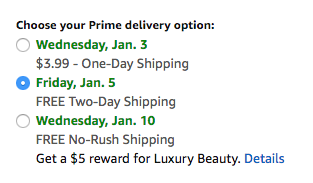
You can additionally click to find a detailed schedule of your packages once ordered. By using these tactics, you’re keeping up with customer demands. Both you and your customers can now feel confident with more placed orders and less shopping cart abandonment.
Choosing a carrier that provides a tracking service is a remarkable sign. This assures both you and your customers are at ease while monitoring the delivery process.
It’s set up notifications to inform your customer in real-time when the package has been sent out, when it’s on its way, and when it reaches its destination. It’ll also tell you the locations of the packages so it can be tracked at all times.
In addition to the carrier tracking, it’s also smart to have your own branded tracking page to brand your shipping and further your customer’s experience.
Here’s what a branded tracking page should look like.
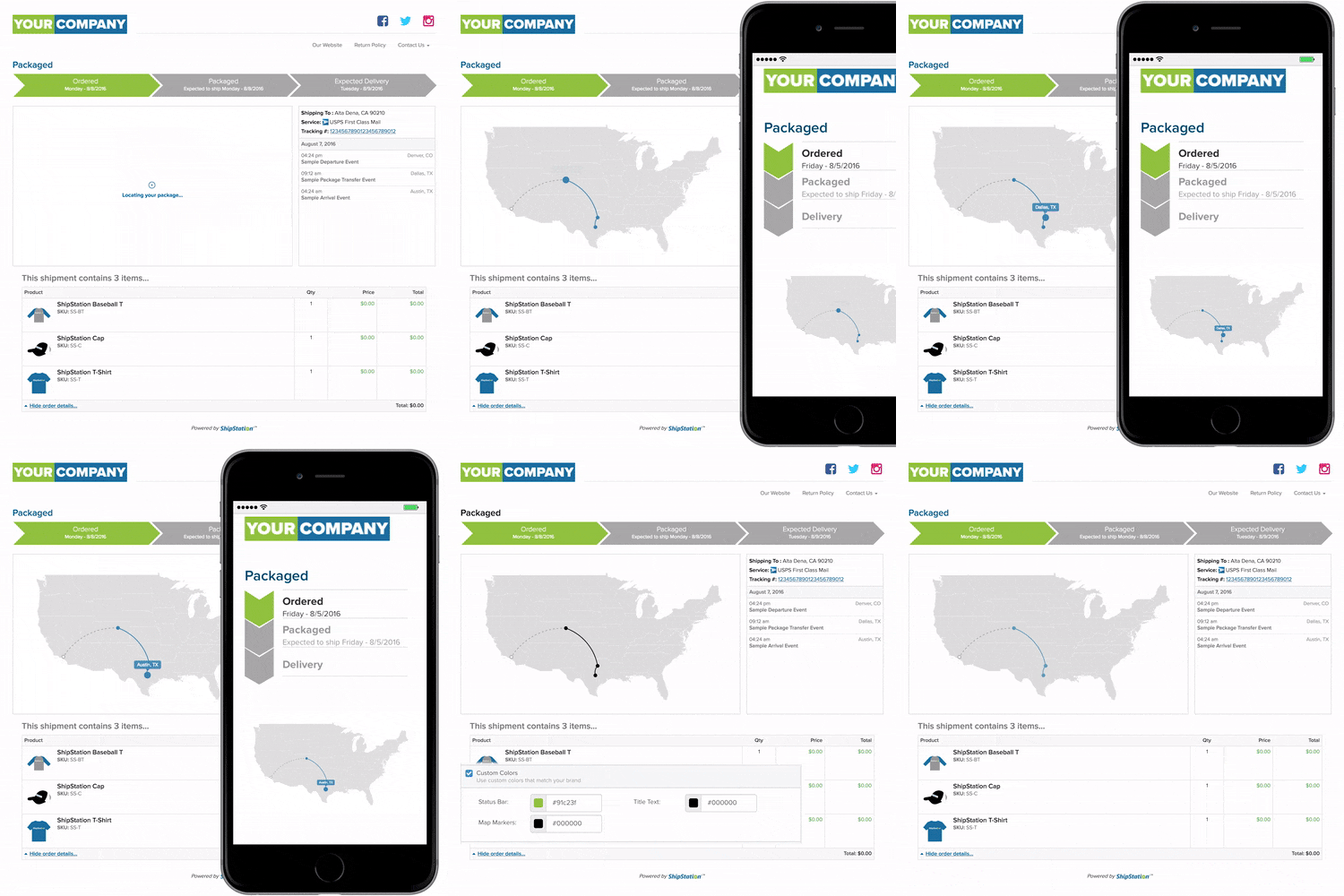
It’s offered to ShipStation’s users and includes:
– Logo and company colors
– Contact information and social links
– Returns policy
– Customer’s orders displayed on the map with up-to-date tracking information
Choosing a carrier with optimal tracking features along with creating your own tracking system can benefit you in more ways than a delivery status. You’re giving customers the ability to contact you by email, see your cross-promotions and new offers, and follow your social accounts.
Hello to saved time and easy advertisement!
The size of your company does not dictate how efficient you can run your business. Your success begins with a strategy. For ecommerce companies, your strategy should begin with choosing the best carrier.
Do your research and go over the steps in this blog to help you with your ecommerce shipping needs. This will help your sales and customer loyalty, long-term.
Are you looking to implement a branded tracking page? Start a FREE 30-day trial with ShipStation!