Back
Back









































 Ecommerce Growth


The digital commerce landscape presents a frustrating paradox: building compelling websites has never been easier, and yet they all seem to end up looking alike. When everyone can build beautiful, feature-rich websites, how do you stand out without sacrificing the trust that drives conversions?
The answer isn’t to throw caution to the wind with radical experimentation. Instead, successful ecommerce brands are learning to “go rogue” strategically—adding personality and differentiation in spaces where customers crave uniqueness while maintaining reliability in areas where familiarity breeds confidence.
This article shares insights from ShipStation’s Innovation Delivered summit. Ecommerce experts shared tips for building strong businesses that focus on customers. Learn more about Innovation Delivered and watch all event sessions here.
Before exploring where to be creative, brands understand where consistency is non-negotiable. It may take years to build customer trust, but it’s remarkably easy to destroy it through misguided attempts at differentiation.
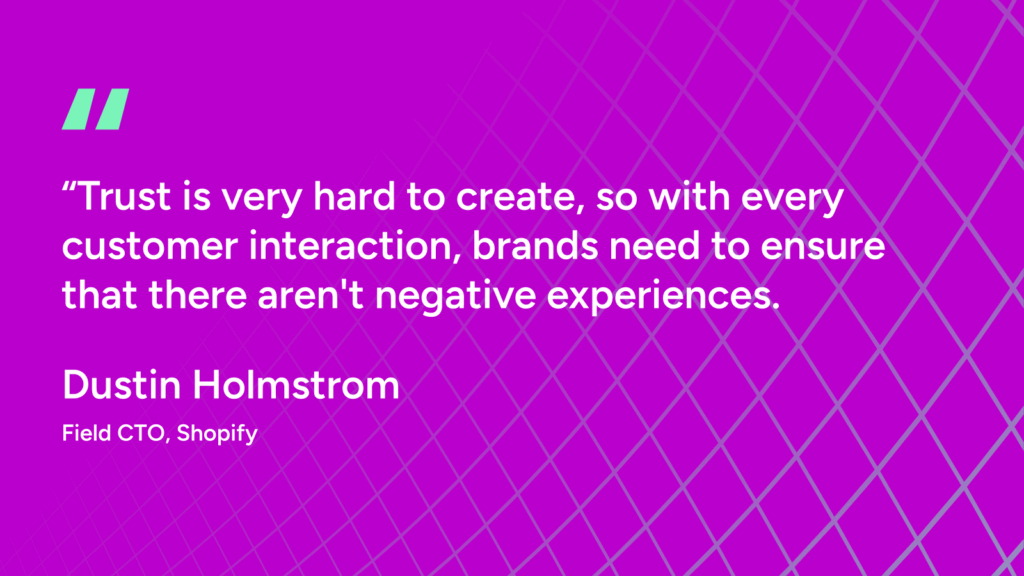
The foundation of customer trust starts with two key areas: checkout and website functionality.
If there’s one rule in ecommerce, it’s to not mess with the checkout experience.
Your checkout process isn’t the place for creative expression. Customers want a consistent, confident checkout that they’re familiar with. This means:
Customers have learned behaviors around digital commerce. Fighting these expectations creates friction that kills conversions. Essential elements that should remain standard include:
When you experiment with these foundational elements, you’re essentially asking customers to relearn how to shop with you—a burden most won’t accept when competitors offer familiar experiences.

Once you’ve secured the checkout and website experience, specific areas of your site become playgrounds for differentiation. These spaces allow you to stand out from the beige brand epidemic without sacrificing usability.
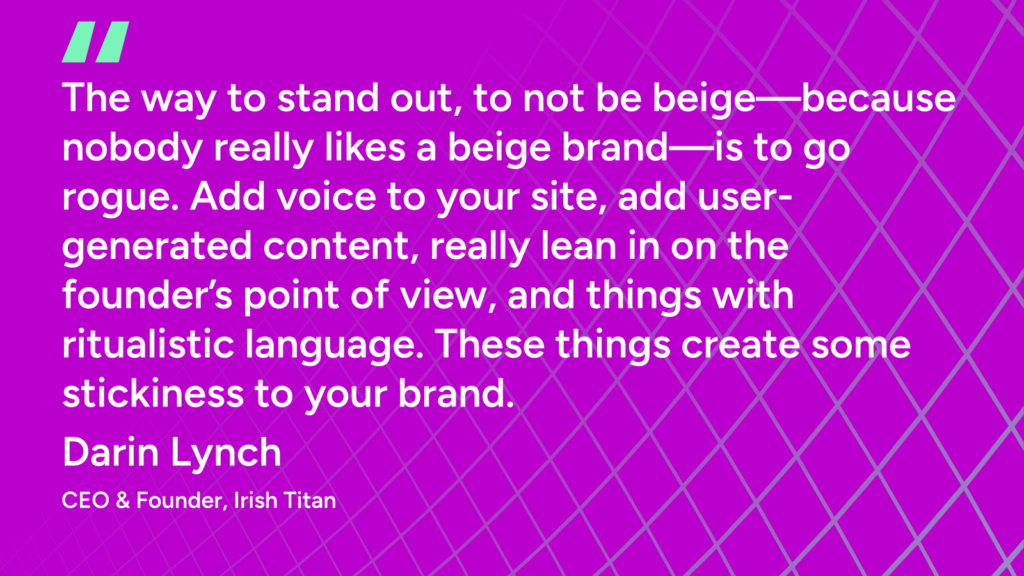
Start showcasing your brand’s personality in these four areas.
Your product and category pages offer the richest opportunities for brand personality. Your products are unique, so these pages need to be engaging and unforgettable. Unlike checkout processes, where familiarity drives confidence, these pages serve as your primary canvas for storytelling.
Visual storytelling opportunities:
Standard product listings can be boring—consider moving beyond basic specifications to create detailed product stories that help customers envision owning the product. Include usage scenarios, sustainability information, or ethical production details that align with your values. Even practical elements like size guides can carry personality—inject humor, helpful tips, or brand voice into traditionally dry content while maintaining their functional value.
Start developing ritualistic language—consistent terminology and tone that creates stickiness to your brand. This linguistic differentiation helps customers identify your content instantly, even without seeing your logo.
Language differentiation tactics:
Your tone of voice should remain consistent across all customer touchpoints while adapting to context. The voice that works for product descriptions might be more playful than what works for shipping notifications, but the underlying personality should remain recognizable.
Key guidelines for developing your brand’s voice:
Your about page, company story, and mission-driven content are key spaces to express your brand’s personality. Customers visiting these sections actively seek to understand your brand’s character, making them highly receptive to authentic storytelling.
To authentically add storytelling elements to your website, consider:
Share insights about favorite product combinations or unexpected use cases discovered by your team. This insider perspective creates value while humanizing your brand beyond corporate messaging.
Whether you focus on sustainability, ethical manufacturing, community support, or innovation, clearly articulating your values helps the right customers find you while differentiating from competitors.
When you have the opportunity to capture your audience’s attention 1:1, you don’t want to serve them dull content.
Email marketing, blog posts, social media content, and customer service communications offer ongoing opportunities to reinforce brand personality without affecting core commerce functions. Consider:
Develop a distinctive approach to these often-overlooked touchpoints and identify opportunities to naturally incorporate your brand’s personality. Customer communications is where your brand’s voice can really shine!
When it comes to content marketing, it’s becoming increasingly difficult to capture (and maintain) user attention. To differentiate your brand from competitors, try creating:
The key is maintaining authenticity rather than forcing personality that doesn’t align with your actual brand character. Customers can detect when personality feels manufactured rather than genuine. And when they do, they’ll go searching for something else.
Your differentiation strategy should create memorable experiences in spaces where customers expect uniqueness while maintaining unwavering reliability in areas where familiarity breeds confidence. Customer trust may be difficult to capture, but it provides the foundation that makes creative risk-taking possible.
The winning formula combines memorable brand personality in safe spaces with reliability in critical moments. Start by focusing on your website’s functionality and checkout process, then gradually add strategic personality elements that reflect your brand’s authentic voice. Your customers will remember the brands that make them feel confident in their choice to engage—not the ones that force them to relearn how to shop.Want to learn more about showcasing your brand’s personality and how to engage customers in 2025? Watch the full session from Innovation Delivered here.