Back
Back








































 Shipping Basics


Regardless of where you sell, be it Amazon, eBay, Magento, Jet, or Shopify, you’re going to need to ship your merchandise. You may start off just bringing orders to the post office and buying labels and supplies there. Then you migrate to copy/pasting shipping information into a carrier’s website or shipping app, but that doesn’t last for long. As your business transforms, you start adding new carriers and marketplaces. This is when a shipping strategy really comes into play. You need a more robust system in place to ship your orders, manage your multiple selling channels, and figure out which carrier works best for each order. Shipping apps like ShipStation are a great way to accomplish this.
As shopping trends change, and carriers evolve to accommodate the influx of larger parcels, shipping rates so carriers can keep up with demand. As these rates rise, planning how much to charge for shipping is important. And as with any aspect of your business, having a shipping strategy in place is important.
There are very few “one-size-fits-all” options for online businesses. And shipping is certainly not one of them. Below are a few options for how you can charge customers for shipping.
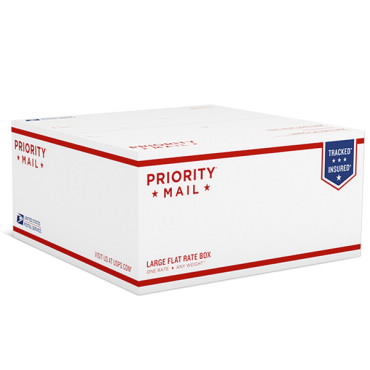
Flat rate shipping is a common pricing structure for ecommerce businesses. Consistent pricing is convenient for sellers and customers alike. As a customer, factoring additional shipping charges is more convenient and fair on a per order basis. Charging $4.95 per shipment works a lot better than charging shipping per item. Charging shipping per item can restrict conversions, customer loyalty, and the quantity of items in a purchase. As a seller, USPS Priority Flat Rate is a great option to fit as much merchandise into a box as possible and as long as it weighs under 70 lbs, the cost will be the same.
Customers may not always have the best insight into the intricacies of shipping, but they can sense when they’re overpaying. Ensuring that your customers only pay what it costs to ship the parcel is a way of removing customer doubt about the price they’re paying. Realtime rates can be tricky to configure, particularly for carriers with fluctuating rates like FedEx and UPS. This will frequently require using third-party solutions outside of your selling channels or shipping apps—something like ShipperHQ helps.
If you can afford free shipping, then obviously offer it. 95% of online shoppers say shipping costs play a role in what they purchase and from where. Of course, there’s no such thing as actually “free shipping” but there are ways to hide costs. Injecting shipping fees into the item cost is a popular way of doing this—particularly for smaller items that ship with First Class Mail. If you look at many major online marketplaces that offer free shipping, most sellers on these platforms charge slightly higher prices than you’d find in a physical store. If you sell specialty items or items that are not easy to find in brick and mortars, these slightly inflated prices aren’t much of a big deal.
One way that many businesses leverage free shipping is to offer free shipping for orders over a certain amount. Find the average cart total for your orders, and offer free shipping for orders that reach a price point above that amount—preferably one that protects your profit margins. If you can convince a customer to purchase more from you in a way that doesn’t cause you to ship a larger box, and only increases the weight slightly, this can be highly advantageous.
Table rate shipping allows you to charge shipping fees based on a complex set of automated criteria. For example, if a customer orders item A and lives in Ontario, you charge $7.95 additionally for shipping. Again, customers don’t like paying shipping costs per item ordered. Make sure your table rates can waived for smaller items if an order also contains a larger item. For instance, if someone orders a t-shirt (with a standalone shipping price of $2.95) and a coat (with a shipping price of $7.95), consider only charging the shipping fees for the jacket, and waiving the t-shirt’s shipping fees.
Furthermore, these same tables can be used to apply automation rules within a shipping app. This way, all you have to do is click create label, and your shipping is done.
You don’t have to be a Von Trapp to like “brown paper packages tied up with string.” In fact, why stop there? You can create a much more engaging unboxing experience than something so unmarked. Look at Amazon, when you order from them, they include promotional material on the packaging. If you have the budget, custom-designed boxes can be a great way to establish your brand.
However, if you can’t justify paying around $1.50 per box, uniquely branded tape is much more affordable than printing logos onto boxes. You’ll want something simple yet eye-catching to grab a customer’s attention before they rip the tape off.
Saving money on shipping doesn’t mean cutting corners, just cutting unnecessary expenses. For instance, Flat Rate boxes may be free through the USPS, but it’s not always the most affordable shipping option. For that matter, you can ship using a package service type and use poly mailer bags to ship non-fragile items. They weigh and cost next to nothing and take up no extra space than the items within them. They’re also a good packaging type to include custom logos and designs on.
Another way to cut packaging costs is to use brown paper for void fill instead of packing peanuts or air pillows. This is a preferred method for many larger companies.
Cast a wider net to get a bigger catch. Getting exposure in international markets is a great way of increasing your sales. However, with the rewards of a bigger net come the higher cost and greater risks: Delivery is much more expensive and lengthy, customs forms are confusing, and there’s always the risks that come with selling to markets you’re unfamiliar with.
The first thing to know about shipping internationally is how to fill out customs forms. If you don’t do this properly your packages will either be returned or thrown away. Luckily, shipping apps usually generate the appropriate customs forms you need. Each country also has its own set of taxes and banned import items. So, check
Shipping internationally can also be expensive—particularly for US shippers. Generally speaking, it’s less expensive to ship to the US from other countries than it is to ship from the US to other countries. A good way to save when shipping internationally is to add more carriers that specialize in international shipping, such as DHL Express. And while USPS First Class Mail only supports domestic parcels under a pound, USPS First Class International allows parcels weighing up to 4.4 lbs. The only drawback is that these shipments may take a few months to reach their final destination.

Whether you’re finding you’re establishing your brand or finding ways to reach new markets, you will need to find a shipping strategy that works for both you and your customers. And as you grow and transform your business, your shipping needs to change with the rest of your business. There are always discounts to be found, a shipping software like ShipStation will not grow with your business, but it will also give you tools like rate calculators and have a team of devoted agents that are here to ensure that you’re not overpaying for shipping.