Back
Back
































 Shipping Basics


If you’ve got an eye for fashion and have always wanted to try your hand at starting a clothing line, now might be the time to shoot your shot. Doing so has never been easier.
Thanks to advancements in tech and the democratization of commerce—in a few clicks, you can buy stock from wholesalers, launch a website, and market your products on social media. You can also outsource everything from graphic design to pattern-cutting, fulfillment to accounting.
That said, there are several things to bear in mind when launching a clothing line, or starting a new business for that matter. Here are seven expert tips to get you started.
The most iconic clothing brands are instantly recognizable, even without their trademark logos. Think Ralph Lauren’s New England preppiness or Versace’s luxurious baroque prints. They may be polar opposites style-wise, but they do have one thing in common: a unique visual identity.
Whether you sell t-shirts or leisurewear—your clothing line should have a distinct, cohesive theme. Will your line be simplistic or maximalist? Will your designs appeal to a niche fashion core?
Define your brand aesthetic and as you design new pieces, ask yourself if each garment feels like part of the same family.
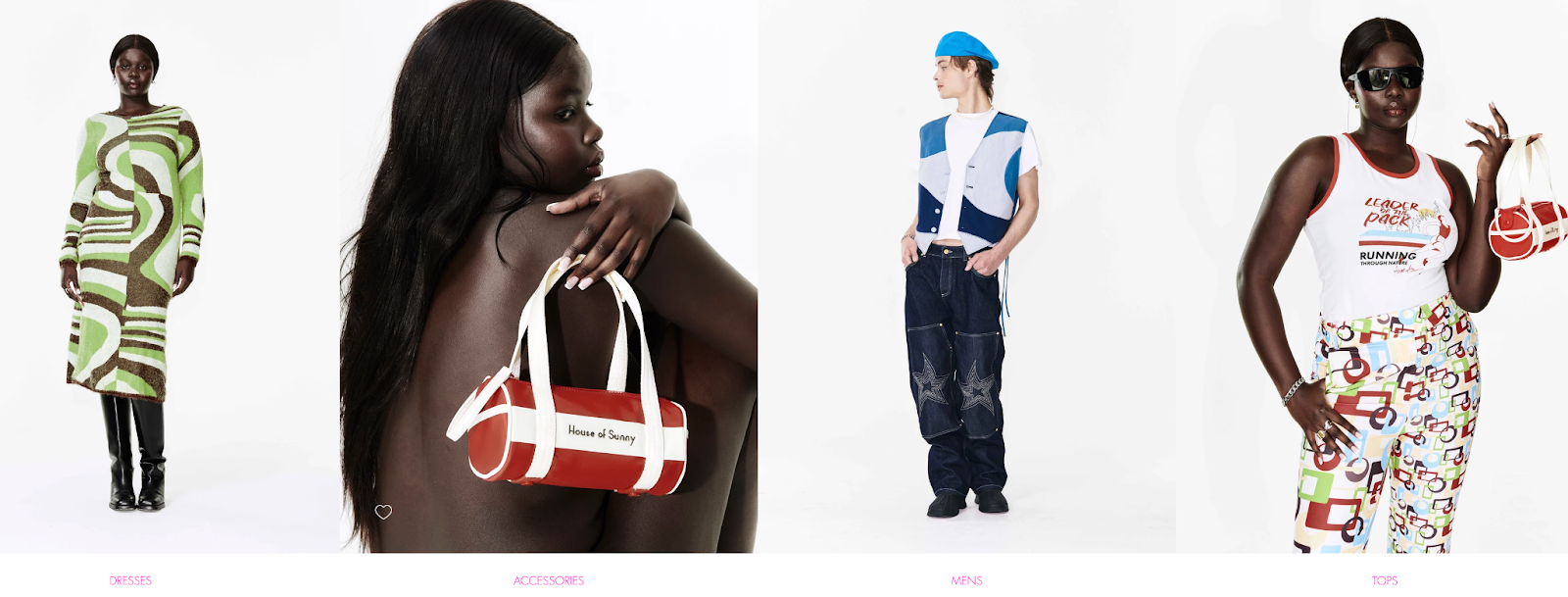
Take inspiration from House of Sunny, an independent British clothing brand inspired by the psychedelic patterns of the 1970s. Their signature style has won them legions of fans and launched a whole host of off-the-rack copycats.

Let’s be real. You don’t need an expert to tell you that the clothing industry is a saturated market. And yet, somehow new brands break through all the time. While there’s no tried-and-true formula for hitting it big, a successful clothing brand knows what makes them different from the competition.
Similarly, you’ll want to know your differentiators inside and out. If you sell partywear, your low price points, fast delivery speeds, and weekly product drops may be your best selling points.
On the flip side, if you sell sustainably dyed, organic cotton t-shirts, your recyclable packaging may have the biggest appeal. In fact, some customers may be willing to pay more in shipping fees if that means reducing waste and offsetting their carbon footprint.
Differentiators can come in a variety of forms, including but not limited to your:
If you’re still not sure which of these apply best to you, start by defining your ideal customer. Where is your target customer located? Where do they shop? Dig into their demographics, characteristics, behaviors, and more to understand what motivates them to buy.
In the same vein, you’ll want to thoroughly research your competitors. What’s working for them? Which items are selling out versus always being discounted? What are people saying in their reviews? Consider going through the sales process yourself and trying out your competitors’ products, signing up for their emails, and following them on social media. Gather intel into how your brand can differentiate itself and attract customers that your competitors might be losing.
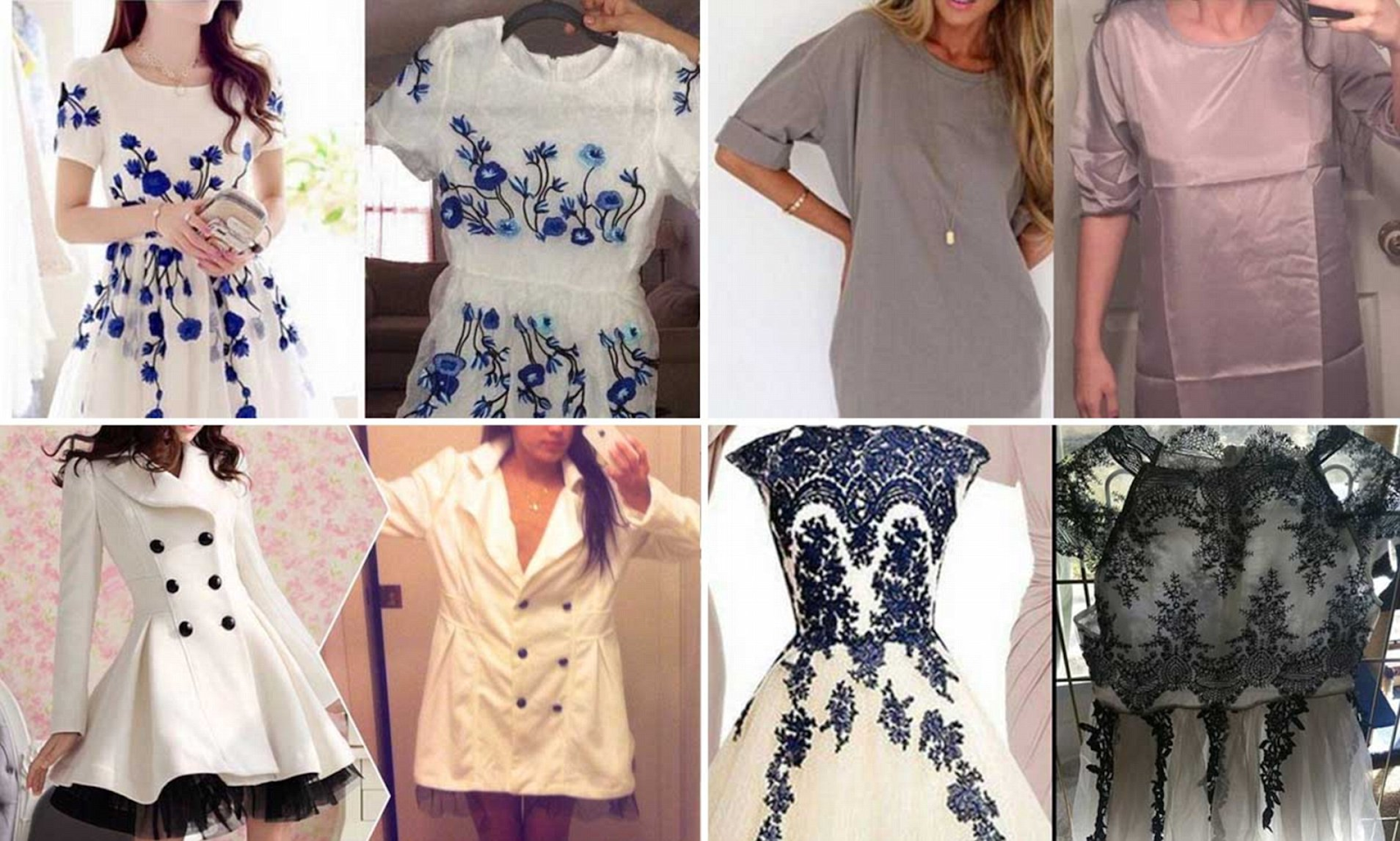
Perfecting the product design and manufacturing process will likely require lots of trial and error. It will require striking the right balance between cost and quality while finding suppliers you can trust.
Avoid jumping the gun and manufacturing products in bulk just to snag a low unit price. Rather, order prototypes of each garment. Test, gather feedback, and reiterate until you’ve nailed the design.
If you’re putting your own artwork on fabric, compare printing methods and materials to see what works best. If you’re building a luxury brand, examine the finer details that customers may be willing to pay extra for, like the quality of the stitching, the feel of your fabrics, and even how your clothing washes.
Pro tip: make sure to gather feedback from real, everyday users. Ask people to test your products for design, fit, and comfort. Leverage social media polls for opinions on your designs. If you intend on selling wholesale, reach out to potential retailers for their appraisal.
This type of impartial feedback is invaluable—and it’s always better to get this feedback before you invest tons of money into inventory.
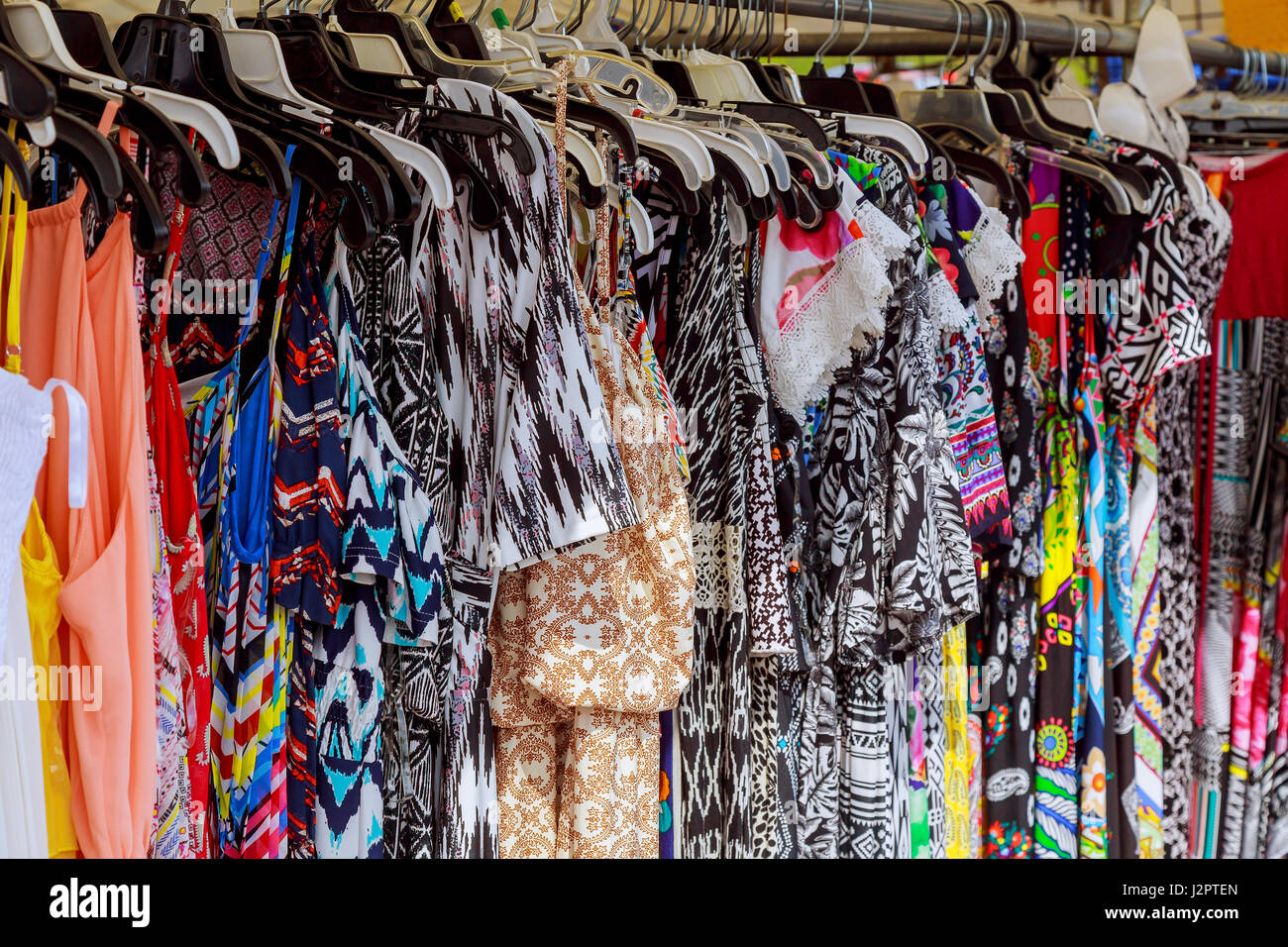
It may be tempting to offer a large, diverse collection from the start, however it’s generally best to start with a small, streamlined collection. After all, overstocking is a trillion-dollar problem plaguing the industry—and the last thing you want is to become just another statistic.
As you build out your collection, here are a few ways to test the waters and improve cash flow:

When you’re learning how to start an online store, there’s one thing you should always keep in mind: your store is an extension of your brand.
You must put your best foot forward, whether you’re taking product photos, writing product descriptions, or optimizing the user experience across your site.
Follow the rule of three, i.e., make sure that all of your products are accessible within three or less clicks. And beyond the obvious—like taking professional product photos and ensuring that your site is on-brand—pay attention to the steps that customers will have to take to complete a purchase.
Consider things like, what is the checkout experience like? Do you offer enough payment options? How can you eliminate barriers to sale?
Behind the scenes, you’ll also want to make sure that your site is equipped to handle an influx of traffic (especially during high-selling seasons like the holidays) and lends to a positive experience across all screens.
Wix ecommerce, for example, flaunts 99.99% uptime and a highly resilient infrastructure that helps to prevent site crashes. Not to mention, its wide range of ecommerce features includes a mobile-optimized storefront, inventory management tools and integration into tools like ShipStation to streamline operations.
The bottom line: just like any product you sell, your site can’t simply look good. It needs to perform well, too, and offer a seamless experience.
A multichannel strategy is essential for getting your brand in front of a large audience. Even though you might be employing the best SEO techniques and the most attractive ads—marketplaces (like Amazon) and social channels (like TikTok) already have massive, loyal audiences.
The hashtag #TikTokMadeMeBuyIt alone has brought many brands out of obscurity, amassing more than 16 billion views. And on average, Wix merchants who add a second sales channel see their revenue grow by up to 12%.
That said, you’ll want to avoid taking the spray-and-pray approach. Start with one or two new channels depending on where your target customers are most likely to spend their time.
Keep in mind that each channel has their own rules of engagement. For example, Amazon gives priority to products enrolled in FBA. Similarly, every marketplace has its own way of ranking, categorizing, and showcasing products, plus attracting audiences with unique values and interests.
Research what it takes to compete and stay compliant on each. Consider everything from their selling fees to their most successful products.
Note that when you launch a multichannel selling strategy, you’ll need to have the right systems in place to ensure that inventory management, catalog management, and fulfillment don’t get jumbled up. For instance, Wix ecommerce includes tools that simplify cross-channel management. Instead of jumping from logging into each channel separately, you can manage your multichannel operations from one place and automatically sync data from one channel to another.
One of the most commonly asked questions among first-time sellers is “How much does it cost to start a clothing line?”
In truth, it depends.
Your business model is a key factor. For example, if you’re manufacturing garments yourself, you’ll need enough capital to purchase raw materials and machinery upfront, but may save on labor costs later down the line. Alternatively, if you outsource to manufacturers, you’ll have to afford labor costs, bulk inventory orders, and shipping costs.
To get started on the right foot, write a business plan that outlines your vision for your clothing line and includes a budget to keep expenses and income on track. Factor in both startup costs and ongoing costs, like packaging, fulfillment, and marketing expenses. As you scale, you may additionally need to invest in office space, warehousing, and more shipping and fulfillment resources.
Once you have your plan in place, decide how you’ll pull together startup costs. There are a handful of options that you can entertain: crowdfunding, investing your personal savings, acquiring an investor, or taking out a small business loan. Echoing our advice in step four, it’s best to start small and bootstrap as you go.
It goes without saying that no matter how mature your company is, you’ll want to have a reliable system for keeping your finances in order and understanding revenue, profit, and more at all times.
These tips only scratch the surface of what to expect when starting a clothing line, but if you’re up for the challenge and willing to dedicate your time and commitment, the fashion industry is yours to conquer. To see how ShipStation can help you save time and money on shipping, sign up for a free, 30-day trial today.
This blog was contributed by Wix.