Back
Back







































 Small Business Resources
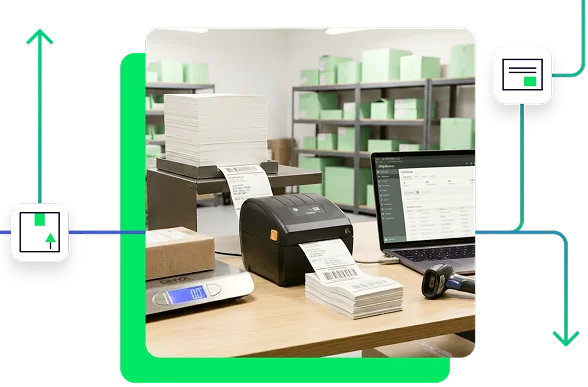



Felicia Tucker, founder and CEO of V’Licious, recently said it best: “I don’t think you’re ever going to feel like you’re ready to launch.” For years, Tucker ran her Atlanta-based feminine care brand as a one-woman business, fulfilling orders from her basement while maintaining a full-time job. She never let that discourage her from pursuing her dreams, and has since acquired 40,000 satisfied customers.
Tucker knew how to start an ecommerce business the right way. She didn’t let a pursuit of perfectionism become a hurdle. Understanding what you need—and the five things you don’t—can break you out of planning mode and inspire you to begin building your new business.
The insights in this article come from ShipStation’s Innovation Delivered virtual summit, where ecommerce experts share practical strategies for building resilient, customer-focused businesses. Learn more about Innovation Delivered and watch all event sessions here.
In many cases, a website is the first interaction a customer has with your ecommerce business. It’s no wonder that founders and future CEOs stress over impressing and capturing initial visitors right away.
The problem arises when you decide to invest dozens of hours and thousands of dollars into custom website design and expensive ecommerce platforms. Devoting so much time and money into a website or ecommerce software can drain your wallet and energy, while causing you to neglect other areas of the business.
Instead, focus on the most critical parts of your ecommerce business, such as product quality and customer experience. Especially as a small up-start business, you don’t need a perfect website. Customers know they’re buying from a small brand and often appreciate it.
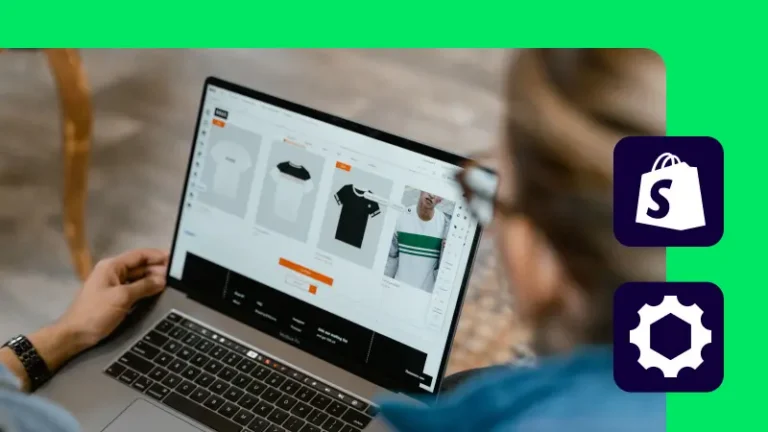
A basic website template and ecommerce software is sufficient to start. You can customize the design to match your branding and easily add product photos. Plus, ecommerce platforms often come with customer support, built-in checkout features, and other ecommerce tools. Before you know it, you’ll have your very own professional-looking website.
Take action: Give yourself a short deadline for the website launch to avoid wasting time on less crucial details you can address later. Start by adding just 3-5 products to your ecommerce site and craft a compelling product description for each one.
There’s no need to rent a studio, build an elaborate setup, purchase expensive equipment, or hire a professional photographer to capture a few good product photos. With a modern smartphone, a little effort goes a long way. All you actually need is good lighting (maybe some natural sunlight) and a nice backdrop that clearly showcases your product.
Not confident in your photography skills? A quick search on YouTube University (or other online resources) will yield hundreds of hands-on tutorials that guide beginners and those with limited budgets through smartphone product photography. You can also use your phone’s built-in photo editing tool to enhance the picture or add a filter to match your brand and aesthetic.
Take action: The next time the lighting feels right, take fifty photos of your product. Pick the best five and post them on your ecommerce website and social media channels.
Think you need a whole staff to handle marketing, operations, and customer service when you’re just starting out? You don’t. More often than not, a startup ecommerce business can thrive with just one staff member who’s willing to work a little overtime or during the weekends.
Remember—a small business has fewer requirements than larger, more-established ones. Your new business doesn’t need the same staff size. Not to mention, it can be challenging to find the right candidate in the first place, especially when your focus should be on establishing a solid foundation.
“We tend to compare ourselves and think that other businesses must have a full staff,” said Maïré Bavarday-Rosa, Founder and CEO of ecmospaces, an order fulfillment platform. “But most of the founders I met didn’t.”
Bavarday-Rosa found herself working 18 hours a day, seven days a week, handling customer service, managing her social media presence, and taking trips to the post office to make claims and receive orders. She started running her business from her bedroom. She later upgraded to her living room then dedicated her entire garage to the operation as her business grew. Early on, she stressed about having enough money for a warehouse and staff, but going through the growing pains helped her become a more resourceful leader. Ultimately, her business flourished.
Take more inspiration from Nakie, a company that makes hammocks of recycled plastic bottles. Nakie went from garage to global growth with ShipStation, expanding into multiple warehouses as its ecommerce business took off.
Take action: Begin by mastering a single role at a time, starting with one of the most critical ones, such as marketing or sales. Dedicate a small space in your house for the project—perhaps the kitchen table or garage—and just get to work. Staffing and scaling the business comes later.
Many aspiring entrepreneurs think they need startup capital or significant funding before they start building their dream project. The truth is, you can start the journey with a limited budget. Some successful ones started with no money at all.
Sydney Sock Project serves as a great example. Andres Herrero started the business by selling socks at a local market on weekends. After a year of juggling his start-up and a corporate job, Herrero jumped into full-time entrepreneurship, watching YouTube tutorials on everything from social media ads to building an ecommerce website. Today, his business is thriving and generating more than $6M in sales a year.
One approach you can take is a preorder strategy, reinvesting profits immediately back into your business. That’s exactly what Tucker did with a zero-dollar budget in the early days of V’Licious.
“I didn’t take a salary in the beginning. I relied on preorders and would use the preorder funds to purchase my inventory,” said Tucker.
You don’t even need expensive, professional-level ecommerce platforms. Start with free versions of ecommerce software and upgrade it when you can afford it. And why worry about the cost of renting a warehouse when you can keep inventory in a spare room, garage, or under your bed?
Take action: Start by making a list of all the resources—digital and physical—you need at the onset. Review each item to see if there’s a cheaper or free alternative, even if just a free trial.
Maybe you’re thinking you need certain credentials—a business degree, decades of industry expertise, or the opinions of half a dozen focus groups. While these are nice to have, they are far from essential.
You don’t need an MBA to market your business and sell a product. Not to mention, you have access to an endless wealth of free information online. Whether you prefer reading business books and articles or browsing YouTube University, you can easily learn on the job.
Business and marketing podcasts and audiobooks are also useful options. That way you don’t have to carve out time exclusively for learning. Listen to them during your commute, while exercising, or when doing chores around the house. You’ll be surprised how much knowledge you can acquire doing this regularly.
You’ll never feel 100% ready. You have enough resources and knowledge to get started.
You have a major advantage today over those who started a business years ago.
“Back in 2013 when I started, I didn’t have access to any of it. Now, everything is on YouTube where people share everything,” said Tucker. “Everything you need is there. You’ll figure it out along the way. Progress is better than perfection.”
Take action: Open your calendar app and set a launch deadline one month from today. Fill in all the free time in your schedule with the tasks you need to address before launch—find YouTube videos or playlists dedicated to skills you want to learn, register your business, set up your ecommerce website, and prepare some online marketing material.
Don’t get hung up on perfectionism. You can tackle challenges as they arise and address small details later on. Many of the most successful ecommerce business owners used a “good enough” mindset to get where they are today. Just put yourself out there, create a product that customers will love, and start your ecommerce business.
Watch the full interview with Felicia Tucker and Maïré Bavard Devosa on “Building a Brand With What You Have” for more in-depth tips on starting an ecommerce business. Then, become a founder yourself by signing up for a ShipStation free trial, and start selling to customers today!